Bagel Recipe: How to Make the Perfect Chewy New York-Style Bagels
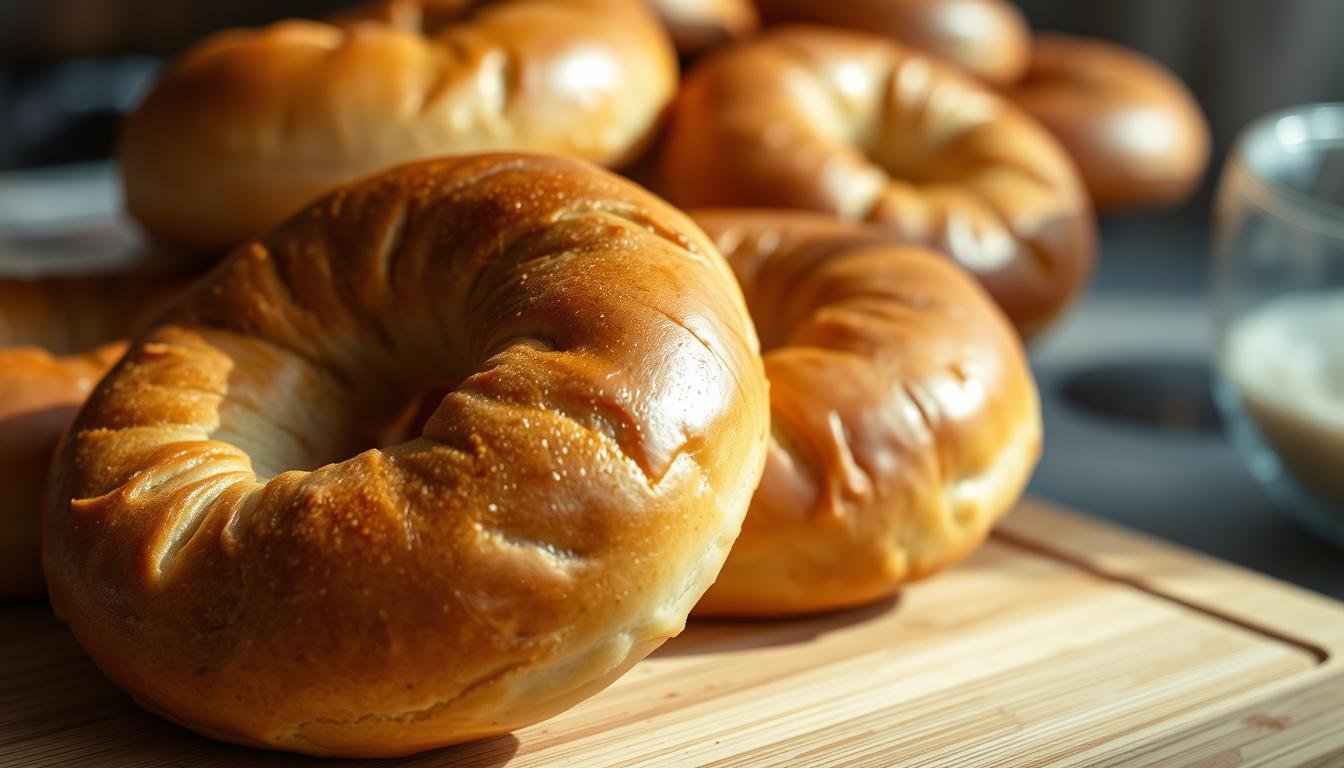
The smell of fresh homemade bagels can turn your kitchen into a piece of New York City. Growing up in Brooklyn, I saw my grandmother make these iconic New York-style bagels. She did it with such care that each bite told a story of tradition and love.
Making bagel recipe might seem hard, but with the right steps, you can make them just like in Manhattan’s Lower East Side. This guide will show you how to make the most delicious, chewy New York-style bagels. They’ll be as good as any bakery’s.
If you love baking or just want to try something new, learning to make these bagels will improve your cooking skills. We’ll uncover the secrets to getting that dense, glossy texture that makes New York bagels famous.
Get ready for a tasty adventure that combines skill, tradition, and joy. Your journey to making the perfect homemade bagel begins now.
Table of Contents
Understanding New York-Style Bagels: History and Tradition
New York bagel recipe traditions are deeply rooted in American culinary culture. These iconic bread rings tell a story of immigration, resilience, and cultural transformation. This story goes back to the late 19th century.
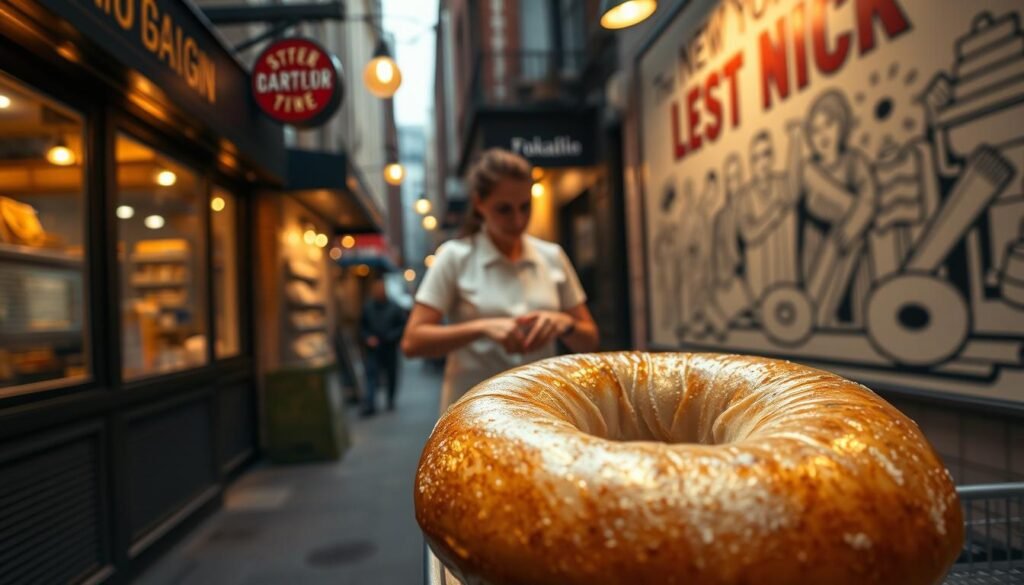
The journey of the New York bagel started with Eastern European Jewish immigrants. They brought their cherished baking techniques to Manhattan’s Lower East Side. These bakers turned a simple bread into a cultural symbol that became a part of New York City’s culinary identity.
Origins in Lower East Side Manhattan
In the bustling immigrant neighborhoods of Lower Manhattan, bagel-making was more than a job—it was an art form. Jewish bakers made bagels using traditional methods passed down through generations:
- Hand-rolled dough techniques
- Unique boiling process before baking
- Strict adherence to traditional recipes
What Makes NY Bagels Different
A true new york bagel recipe has several key characteristics:
| Characteristic | Description |
|---|---|
| Texture | Dense, chewy interior with a crisp exterior |
| Size | A distinct malty taste from specific fermentation processes |
| Flavor | Distinct malty taste from specific fermentation processes |
Cultural Significance
Beyond nutrition, bagels represent a powerful narrative of cultural preservation and adaptation. They symbolize the immigrant experience, transforming from a niche ethnic food to a beloved American breakfast staple that transcends cultural boundaries.
The bagel is more than bread—it’s a piece of New York’s cultural heritage.
Essential Ingredients for Authentic NY Bagels
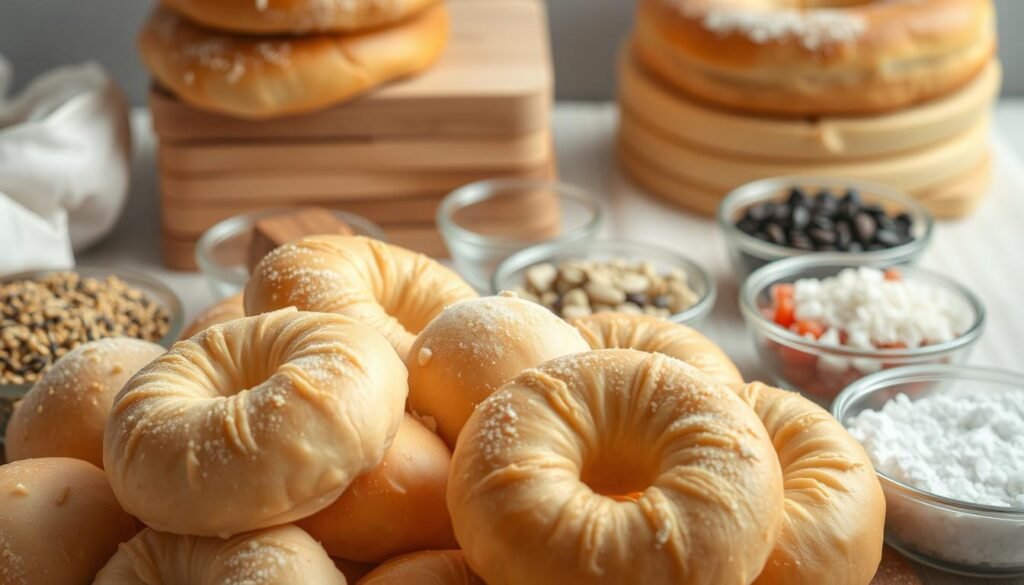
Making the perfect New York-style bagel starts with the right ingredients. Your recipe needs each part to get that chewy texture and rich flavor found in NYC bakeries.
The base of a great bagel recipe is flour. Bread flour is the top choice, but all-purpose flour works too. High-protein flour gives the bagel its dense, chewy feel.
- Bread Flour: Highest protein content (12-14%)
- All-Purpose Flour: Acceptable substitute with lower protein content
- Active dry yeast
- Kosher salt
- Barley malt syrup
Barley malt syrup makes New York bagels special. It adds a unique flavor and helps get that golden-brown crust.
Choosing quality ingredients is key to your bagel recipe. Go for fresh, high-protein flour and pure ingredients. This way, you can make the classic New York bagel at home.
“The secret to a great bagel is in the ingredients and technique.” – New York Bagel Master
The Science Behind Perfect Bagel Texture
Making the perfect bagel is all about the science of dough. When you learn to make bagels, you’ll see that texture is key. The right mix of ingredients and techniques gives bagels their chewy, dense feel.
The magic of bagel-making comes from understanding key scientific principles. These principles turn simple ingredients into a tasty treat.
Role of High-Protein Flour
High-protein flour is the base of great bagels. When making bagels, picking the right flour is essential. Bread flour, with 12-14% protein, builds a strong gluten network for that chewy texture.
- Protein content determines gluten strength.
- Bread flour provides superior elasticity.
- Protein helps trap air and moisture
Importance of Gluten Development
Gluten development is key in making bagels. Proper kneading turns flour proteins into a stretchy network. This takes about 10-12 minutes of hard mixing.
| Kneading Stage | Duration | Expected Result |
|---|---|---|
| Initial Mixing | 3-4 minutes | Rough dough formation |
| Active Kneading | 8-10 minutes | Smooth, elastic texture |
Water Temperature Control
Water temperature is crucial for making bagels. Keeping the dough at 75-80°F is best for yeast activity and gluten development.
The secret to great bagels lies in understanding the delicate balance of ingredients and technique.
Equipment and Tools You’ll Need
Making homemade bagels needs some special kitchen tools. You don’t have to buy all the professional stuff. But, the right tools make making bagels easier and more fun.
Here’s what you’ll need for homemade bagels:
- Stand Mixer: A stand mixer with a dough hook is perfect for kneading bagel dough. It makes the dough strong and even.
- Large Mixing Bowl: Pick a big, safe bowl for mixing and letting the dough rise.
- Baking Sheets: Use heavy-duty sheets that heat evenly.
- Parchment Paper: It stops dough from sticking and makes cleaning up easy.
- Large Pot: This is key for boiling the bagels.
If you don’t have a stand mixer, don’t fret. A food processor or kneading by hand works too. Just make sure the dough feels right.
Tools that are nice to have but not necessary include:
- Digital kitchen scale for exact measurements
- Bench scraper for handling dough
- Silicone baking mat
- Instant-read thermometer
Having these tools ready will help you make great homemade bagels. Good equipment makes baking fun, not hard.
Bagel Recipe: Step-by-Step Instructions
Making the perfect New York bagel takes patience, skill, and focus. This guide will help you make chewy bagels just like those in New York’s top delis.
First, get your ingredients ready and set up your workspace. Knowing each step is key to success.
Making the Perfect Dough
Your dough is the base of a great bagel. Mix high-protein bread flour, yeast, salt, and a bit of sugar. Then, add warm water. The water should be about 110°F to activate the yeast properly.
- Use bread flour with high protein content
- Measure ingredients precisely
- Ensure water is at the right temperature
- Mix until ingredients are fully incorporated
Proper Kneading Techniques
Kneading makes the dough chewy. Work the dough firmly for 10-12 minutes by hand or 5-7 minutes with a mixer. It should be smooth and elastic, with a bit of shine.
Shaping Methods
The “hole poke” method is classic for bagel shaping. Roll a dough piece into a ball, then press your thumb through it. Stretch and shape the hole to be wide and even.
- Create a smooth dough ball.
- Poke a hole in the center.
- Gently stretch and rotate to form a uniform shape
- Ensure the hole is wide enough to prevent closing during cooking
Follow these steps to make authentic New York-style bagels. They’ll impress anyone who loves bagels.
The Crucial Boiling Process
Learning to make bagels involves a key step: boiling. This step turns simple dough into the chewy, glossy bagels we all love. It’s what makes New York-style bagels stand out.
The boiling process does several important things:
- Creates a shiny exterior
- Makes the bagels chewy
- Helps the starch on the surface gelatinize
- Keeps moisture in before baking
Pro tip: The water temperature and additives are crucial. To boil your bagels, use water with two special ingredients:
- Barley malt syrup for flavor
- Baking soda for browning
“The boil is what makes a bagel a bagel” – New York Bagel Artisan
Timing is key. Boil each bagel for 30-60 seconds on each side. This step is essential for a golden-brown finish in the oven. Boiling too long makes them dense, too short, and they lack shine.
Getting this right makes your homemade bagels truly special. It brings the magic of New York bakeries into your kitchen.
Mastering Bagel Toppings and Variations
Making delicious New York style bagels is more than just the dough and baking. The right toppings can make your homemade bagels truly special. Your choice of toppings can boost the flavor and make breakfast unforgettable.
Trying out different toppings for New York style bagels is a fun journey. Each topping adds its own special texture and taste to your bagels.
Classic Topping Options
- Sesame seeds: Traditional and nutty
- Poppy seeds: Adds subtle crunch
- Coarse salt: Enhances overall flavor
- Everything bagel seasoning: A popular blend of multiple ingredients
Application Techniques
The secret to great toppings is timing. Apply them right after boiling and before baking. This helps them stick well and adds flavor.
| Topping Type | Best Application Method | Flavor Profile |
|---|---|---|
| Sesame Seeds | Egg wash dip before baking | Nutty, mild |
| Everything Seasoning | Generous sprinkle post-egg wash | Complex, savory |
| Coarse Salt | Light sprinkle before baking | Intense, sharp |
Creative Combinations
Feel free to mix and match toppings. Try za’atar with sesame seeds or cinnamon sugar for a sweet twist. It’s a fun way to make your bagels stand out.
Pro tip: Make your own everything bagel seasoning. Mix dried garlic, onion, poppy seeds, sesame seeds, and salt. This way, you can tailor the flavor to your liking.
Baking Techniques for Golden-Brown Perfection
Making homemade bagels needs careful baking. The key to a perfect golden-brown crust is knowing your oven and a few important techniques.
Temperature is key when baking bagels. Heat your oven to 425°F (218°C) for even heat. Baking stones or steel help for better results.
- Preheat the oven for at least 30 minutes before baking
- Place bagels on a preheated baking stone
- Rotate the baking sheet halfway through cooking
Look for visual signs to know when your bagels are done. Here’s what to watch for:
- Color: A rich, golden-brown surface
- Texture: Slightly crisp outside, soft inside
- Sound: A hollow sound when tapped on the bottom
Baking time for homemade bagels is usually 20-25 minutes. But oven times can differ. Start checking at 18 minutes. A digital thermometer helps check the inside temperature, aiming for 210°F.
Pro tip: For an extra shine, brush your bagels with an egg wash before baking to achieve a beautiful, glossy finish.
Tips for Achieving Professional Results
Making the perfect new york bagel recipe is more than just following steps. Professional bakers know it’s about mastering certain techniques and understanding the art of bagel making.
Cold fermentation is a key technique for improving your bagel recipe. Letting your dough rest in the fridge for 12-24 hours adds deeper flavors and a more complex texture. This makes your bagels taste like they’re from a real bakery.
- Use high-protein bread flour for optimal gluten development
- Maintain precise ingredient measurements
- Control water temperature during mixing
- Rest the dough overnight for an enhanced flavor profile
When making professional-quality bagels, precision is key. Think about getting a kitchen scale to ensure your bagels have the right weight and texture. Small things like water temperature, kneading time, and dough hydration can really change how your bagels turn out.
| Technique | Impact on Bagels |
|---|---|
| Cold Fermentation | Develops complex flavors |
| High-Protein Flour | Improves chewy texture |
| Precise Measurements | Ensures consistent results |
Professional bakers see bagel-making as both a science and an art. By using these expert techniques, you can turn your home kitchen into a New York-style bagel bakery.
Storage and Freshness Guidelines
Learning how to make bagels is just the start. Knowing how to store them is key to keeping them tasty and fresh. The right storage can make your homemade bagels last for days or even weeks.
Fresh bagels are a joy to eat. But, they can lose their appeal if not stored properly. Learning the best ways to keep them fresh will make them taste like they just came out of the oven.
Short-Term Storage Strategies
After mastering bagel-making, the next step is proper storage. Here’s what to do for short-term storage:
- Keep bagels at room temperature
- Use a paper bag or bread box
- Consume within 2 days for optimal freshness
- Avoid plastic bags, which can make bagels soggy
Freezing Your Homemade Bagels
Freezing is a great way to keep your bagels fresh longer. Here’s how to freeze them:
| Freezing Step | Recommendation |
|---|---|
| Cooling | Allow bagels to cool completely before freezing |
| Slicing | Slice bagels before freezing for easy toasting |
| Packaging | Wrap individually in plastic wrap or freezer bag |
| Storage Duration | Up to 3 months in freezer |
Reheating for Maximum Enjoyment
To make your frozen or stale bagels taste fresh again, follow these reheating tips:
- Thaw frozen bagels at room temperature
- Toast in a toaster or oven for crisp exterior
- For stale bagels, sprinkle with water and warm in oven
- Aim for a crispy outside and soft inside
“A well-stored bagel is a delicious bagel!” – New York Bagel Artisan
Pro tip: Always store bagels in a way that preserves their unique texture and flavor, ensuring each bite feels freshly baked.
Troubleshooting Common Bagel-Making Issues
Making the perfect bagel can be tough, especially with all-purpose flour. Even skilled bakers face problems that can mess up their bagels’ texture and look.
Knowing about common bagel-making problems makes you a more confident baker. Let’s look at the most common issues and how to fix them:
- Dense Bagels: Often caused by not kneading enough or choosing the wrong flour
- Misshapen Bagels: Happens when you don’t shape them right
- Lack of Chewiness: Usually because the dough didn’t develop enough gluten
Using all-purpose flour in your bagel recipe can lead to different results than bread flour. The protein content is lower, which can change the texture. To fix this, try these tips:
- Knead the dough longer to build up gluten
- Add vital wheat gluten for more protein
- Let the dough rest longer before shaping
| Problem | Potential Cause | Solution |
|---|---|---|
| Flat Bagels | Weak Gluten Structure | Extended Kneading Time |
| Tough Texture | Overworked Dough | Gentler Handling |
| Uneven Browning | Inconsistent Oven Temperature | Use Baking Stone |
“Perfecting bagels is an art of patience and practice” – New York Bakery Wisdom
Remember, each batch of bagels is a chance to learn. With time, you’ll get better at making professional-quality bagels at home.
Conclusion
Making authentic New York-style bagels is more than a fun cooking project. It connects you to a long-standing culinary tradition. With effort and patience, you can turn your kitchen into a real bakery. You’ll make bagels that are as good as those in top New York delis.
The secret to great New York-style bagels is knowing the craft. Choosing the right flour and mastering the boiling method are key. Using quality ingredients and following precise steps will make you a pro at making bagels.
Creating perfect New York-style bagels takes time and practice. Don’t get discouraged if your first tries aren’t perfect. Each batch teaches you something new. Try different toppings, share your bagels with loved ones, and enjoy the baking process.
We encourage you to start your bagel-making journey. Get ready, gather your ingredients, and dive in. Share your bagel-making stories, learn from each batch, and most importantly, enjoy making these New York classics in your kitchen.
FAQ
What type of flour is best for making New York-style bagels?
How long does it take to make homemade bagels?
Why do New York bagels need to be boiled before baking?
Can I freeze homemade bagels?
What makes New York-style bagels different from other bagels?
Do I need any special equipment to make bagels at home?
How do I get toppings to stick to my bagels?
Can I make gluten-free bagels using this recipe?
Have you tried our recipes?
There are no reviews yet. Be the first one to write one.