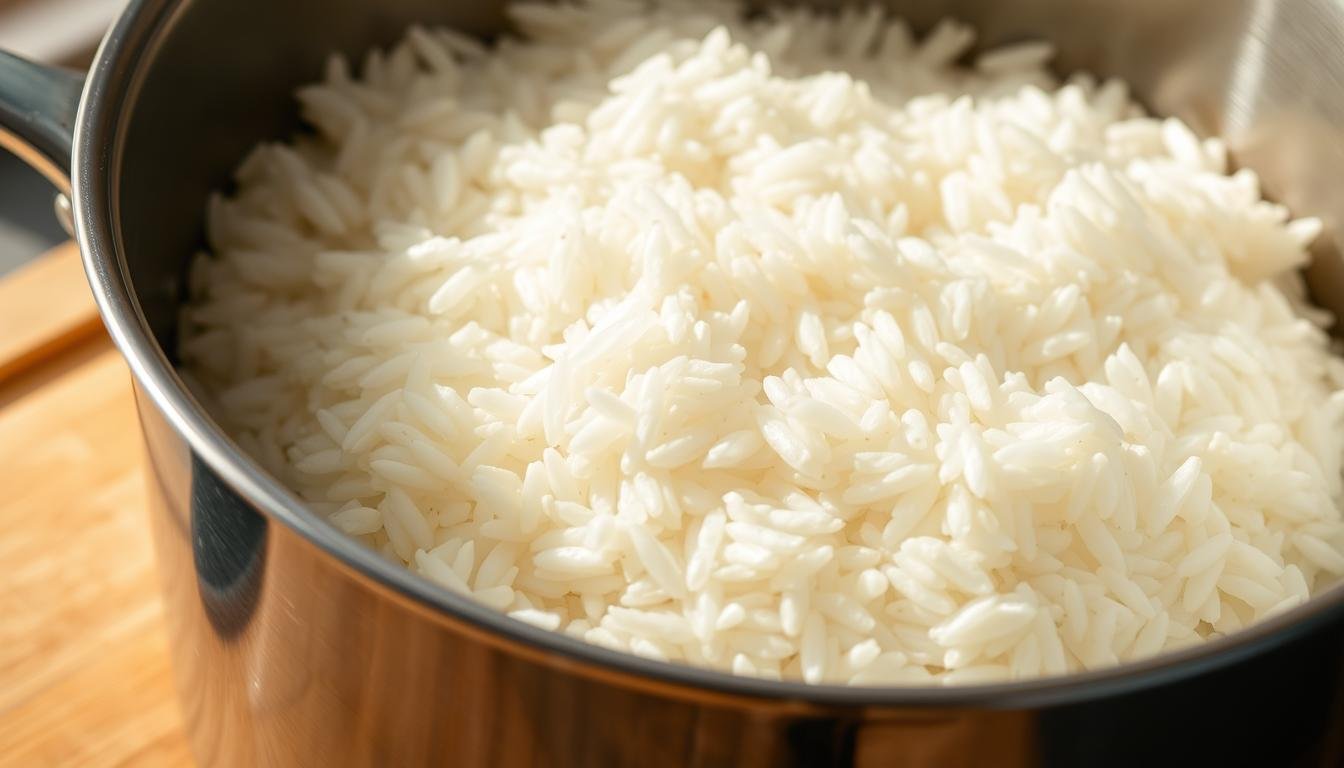
How to Make White Rice Perfectly Every Time
Learning to make white rice is easy. I grew up watching my grandmother make it fluffy and perfect. It brought our family together at dinner.
White rice is more than a side dish. It’s a base for many meals and a comfort food that connects people worldwide. Whether you’re new to cooking or want to improve, learning to cook rice is key.
This guide will teach you everything about making perfect white rice. You’ll learn about the right ingredients and cooking methods. You’ll become confident in making delicious rice that goes well with any meal.
Cooking rice might seem simple, but getting the right texture takes some skill. Follow our detailed instructions to make restaurant-quality rice at home.
Table of Contents
The Essential Guide to Perfect Rice Preparation
Learning to cook perfect rice starts with the basics. Whether you’re new to cooking or have experience, the right techniques can make a big difference. Your rice can go from okay to amazing.
Types of White Rice
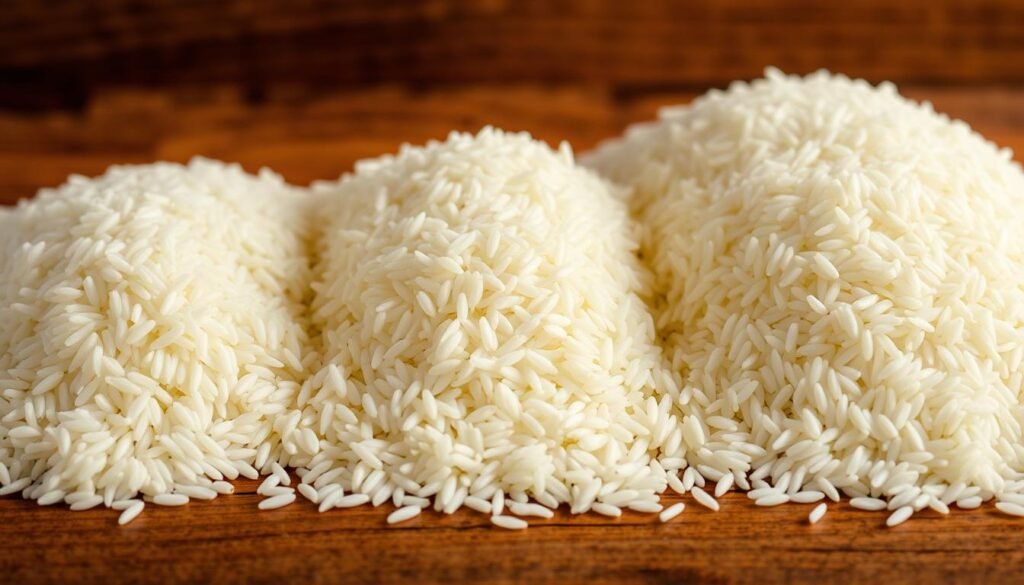
Choosing the right rice variety is key. The amount of water you use changes based on the type:
- Long Grain White Rice: Stays fluffy and separate when cooked
- Medium Grain White Rice: Slightly stickier, ideal for risottos
- Short Grain Rice: Very sticky, perfect for sushi
- Jasmine Rice: Fragrant Thai variety with delicate flavor
- Basmati Rice: Aromatic Indian rice with long, slender grains
Basic Equipment Needed
To cook perfect rice, you need a few simple tools:
- Medium saucepan with a tight-fitting lid
- Measuring cup
- Fork or rice paddle
- Fine-mesh strainer
Key Ingredients
Choosing quality ingredients is crucial for perfect rice. You’ll need white rice, water, and a bit of salt. Some people add butter or oil to improve the taste and prevent sticking.
Pro tip: Always use fresh, high-quality rice for the best cooking results.
Understanding the Perfect Rice-to-Water Ratio
Mastering the rice ratio is key to cooking perfect rice on the stovetop. Many struggle with the right water amount, leading to mushy or undercooked rice.
The traditional 2:1 water-to-rice ratio isn’t the best. Professional chefs suggest a different method for better results.
“The secret to perfect rice lies in understanding the precise water-to-rice balance.”
When cooking rice on the stove, consider these factors:
- Rice variety impacts water absorption
- Cooking pot material influences heat distribution
- Altitude can affect cooking times
Here’s a guide to rice ratios for different types:
| Rice Type | Water Ratio | Cooking Time |
|---|---|---|
| Long Grain White Rice | 1.5 cups water : 1 cup rice | 18-20 minutes |
| Short Grain Rice | 1.5 cups water: 1 cup rice | 15-17 minutes |
| Basmati Rice | 1.5 cups water : 1 cup rice | 15-18 minutes |
Pro tip: Always adjust your rice ratio based on the specific type of rice you’re preparing.
How to Make White Rice: Step-by-Step Instructions
Cooking perfect white rice might seem hard, but it’s easy with the right steps. You just need to pay attention to each step in the cooking process.
- White rice (long-grain or medium-grain)
- Water
- Pinch of salt
- Medium-sized pot with lid
- Measuring cup
Rinsing the Rice
Rinsing rice is key to making fluffy white rice. Put your rice in a fine-mesh strainer and rinse under cold water. Move the rice gently until the water is clear, which takes about 30-60 seconds.
Cooking Process
To cook white rice, follow these steps:
- Put 1 cup of rinsed rice and 2 cups of water in your pot
- Add a pinch of salt for taste
- Bring it to a boil on high heat
- Lower the heat to low and cover the pot
- Cook for 15-18 minutes without opening the lid
Resting Period
After cooking, turn off the heat and let it sit, covered, for 10 minutes. This step helps the rice absorb moisture and become tender. Use a fork to fluff the rice and separate the grains.
Pro tip: Use a rice cooker for even more consistent results if you frequently prepare white rice.
Common Mistakes to Avoid When Cooking Rice
Learning to cook perfect rice on the stove can be challenging. Knowing the common mistakes helps you make delicious rice every time.
When cooking rice, several mistakes can ruin your dish. These errors can turn your rice into mush or make it too crunchy.
- Incorrect Water Ratio: Using too much or too little water changes the rice’s texture
- Unnecessary Stirring: Stirring too much makes the rice sticky
- Frequent Lid Lifting: Opening the lid too often releases steam, affecting cooking
Here’s a detailed look at rice cooking mistakes and how to fix them:
| Mistake | Consequence | Solution |
|---|---|---|
| Wrong Water Ratio | Undercooked/Overcooked Rice | Measure rice and water precisely |
| Stirring During Cooking | Sticky, Gummy Texture | Leave rice undisturbed while cooking |
| Opening Lid Repeatedly | Uneven Cooking | Keep the lid closed until cooking is complete |
Avoiding these mistakes will help you cook perfect rice. Your rice will be fluffy, tender, and delicious every time.
The Secret to Fluffy, Non-Sticky Rice
Getting white rice just right can be tough. Chefs have special tricks to make your rice light, fluffy, and never sticky. They know the secret to making white rice.
It’s not just about following basic steps. The right methods can turn your rice into something amazing, like what you’d find in a restaurant.
The Kitchen Towel Method
One key technique for perfect rice uses a clean kitchen towel. After cooking, put a towel between the pot and the lid to soak up extra moisture. This trick stops your rice from getting soggy or sticky.
- Remove pot from heat.
- Place a clean kitchen towel over the pot opening
- Replace the lid on top of the towel
- Let’s sit for 10-15 minutes
Steam Management Techniques
Managing steam is key to light, fluffy rice. Keep the lid a bit open during the last cooking minutes. This lets extra moisture out.
- Use the lowest possible heat setting.
- Crack the lid open slightly
- W.atch for steam release
- Listen for soft crackling sounds
Perfect Timing Tips
Timing is everything when cooking rice. Use a timer and don’t open the lid too often. This keeps the steam in and helps cook the rice right.
Pro tip: Once rice is done, let it rest for 5-10 minutes before fluffing with a fork.
With these pro techniques, you’ll get better at making rice. Your fluffy white rice will impress everyone at the table.
Enhancing Your Rice with Flavors and Seasonings
Learning to make white rice doesn’t mean it has to be boring. Once you master cooking perfect rice, you can turn it into a flavorful dish. This is done by adding exciting flavors and seasonings.
The key to making your rice better is knowing which ingredients go well with it. You can make your white rice much tastier by adding different seasonings while it cooks.
- Broth Substitution: Use chicken, vegetable, or beef broth instead of water for richer flavors
- Aromatic Spices: Add ground cumin, turmeric, or dried herbs like thyme and rosemary
- Fresh Herbs: Sprinkle chopped parsley, cilantro, or dill after cooking for a fresh taste
If you want to try something new, here are some ways to add flavor to your white rice:
- Toast rice in butter or olive oil before adding liquid
- Add minced garlic or onions at the start of cooking
- Stir in a pinch of saffron for a luxurious golden color
Remember, it’s all about balance. Start with a little seasoning and adjust to your liking. You want to add to the rice’s natural taste, not hide it.
Storage and Reheating Guidelines
Learning how to make white rice is more than just cooking it. Knowing how to store and reheat it keeps your meals tasty for days. This ensures your food stays delicious, even after a few days.
When you cook rice on the stove, it’s key to store it properly. This keeps your rice safe and flavorful. Here are the best ways to keep your rice fresh and tasty.
Refrigeration Methods
Here’s what to do with cooked white rice:
- Cool rice quickly to room temperature within 1 hour
- Use airtight containers for storage
- Refrigerate rice within 2 hours of cooking
- Store in the refrigerator for 4-6 days maximum
Freezing Instructions
Freezing is a great way to keep rice longer:
- Portion rice into meal-sized containers
- Ensure containers are completely sealed
- Label with the date of freezing
- Freeze for up to 6 months
Proper Reheating Techniques
Here’s how to make your rice taste like new again:
- Add 2-3 tablespoons of water per cup of rice
- Reheat on low heat, stirring occasionally
- Use a microwave with a damp paper towel covering the rice
- Ensure internal temperature reaches 165°F for food safety
Pro tip: Avoid reheating rice multiple times, as this can increase the risk of bacterial growth.
Serving Suggestions and Meal Pairings
Learning how to make white rice perfectly opens up a world of flavors. It’s a great base for many dishes from different cultures.
White rice goes well with proteins and veggies. Here are some tasty pairing ideas:
- Asian-Inspired Dishes
- Stir-fries with mixed vegetables
- Teriyaki chicken
- Kung pao shrimp
- Mediterranean Combinations
- Greek-style grilled lamb
- Roasted vegetable medley
- Herb-infused chicken
- Latin American Pairings
- Black bean and rice bowls
- Carnitas
- Chimichurri beef
To make perfect rice, aim for the right texture and moisture. It should be fluffy and light. This makes it a great base for bold flavors.
| Cuisine Type | Recommended Protein | Flavor Profile |
|---|---|---|
| Asian | Tofu, Chicken | Umami, Soy-based |
| Mediterranean | Lamb, Fish | Herbal, Citrus |
| Latin American | Beef, Pork | Spicy, Smoky |
Pro tip: Try different seasonings and garnishes to make your rice dishes stand out. It’s a fun way to explore new flavors.
“A perfect rice dish is like a blank canvas, ready to be transformed by your creativity and flavor combinations.” – Professional Chef
Alternative Cooking Methods
Learning how to make white rice isn’t just about the stovetop. Today’s kitchens have new ways to cook rice perfectly every time.
Rice cookers and Instant Pots make cooking white rice easy. They keep the right rice ratio for tasty results.
- Rice Cooker Method
Rice cookers take the guesswork out by controlling temperature and time. They might need a different rice-to-water ratio than stovetop cooking.
- Instant Pot Technique
Instant Pots cook rice fast. But you’ll need to adjust the water to avoid overcooking or undercooking.
Each method has its own benefits. Rice cookers are easy to use, while Instant Pots are quick. The trick is knowing how to adjust the rice ratio for each method.
Pro tip: Always check your appliance’s manual for the right rice-to-water ratio.
Try different cooking methods with small batches to get better. Watch how the rice absorbs water, its texture, and taste to get the best results.
Conclusion
Learning how to make white rice can change how you cook at home. This guide has shown you how to make perfect rice every time. Becoming good at cooking rice takes patience, practice, and a desire to try new things.
Every time you cook rice, you’ll feel more confident. It’s not about hard techniques, but knowing the basics of cooking rice. You now know how to pick the right rice, manage water, and control cooking time.
Your new skills will make rice a great base for many dishes. Whether it’s a simple side or a complex recipe, you’re ready. Remember, cooking is always learning, and rice is no different.
Practice is your best teacher in mastering white rice. Don’t worry if it’s not perfect at first. With each try, you get closer to being an expert who can make delicious rice for everyone.
FAQ
What is the ideal rice-to-water ratio for cooking white rice?
How long does it take to cook white rice on the stove?
Do I really need to rinse rice before cooking?
What’s the best way to prevent rice from sticking to the bottom of the pan?
Can I cook rice without a lid?
How can I tell if my rice is fully cooked?
How long can I store cooked rice in the refrigerator?
What’s the difference between long-grain and short-grain white rice?
Have you tried our recipes?
There are no reviews yet. Be the first one to write one.